


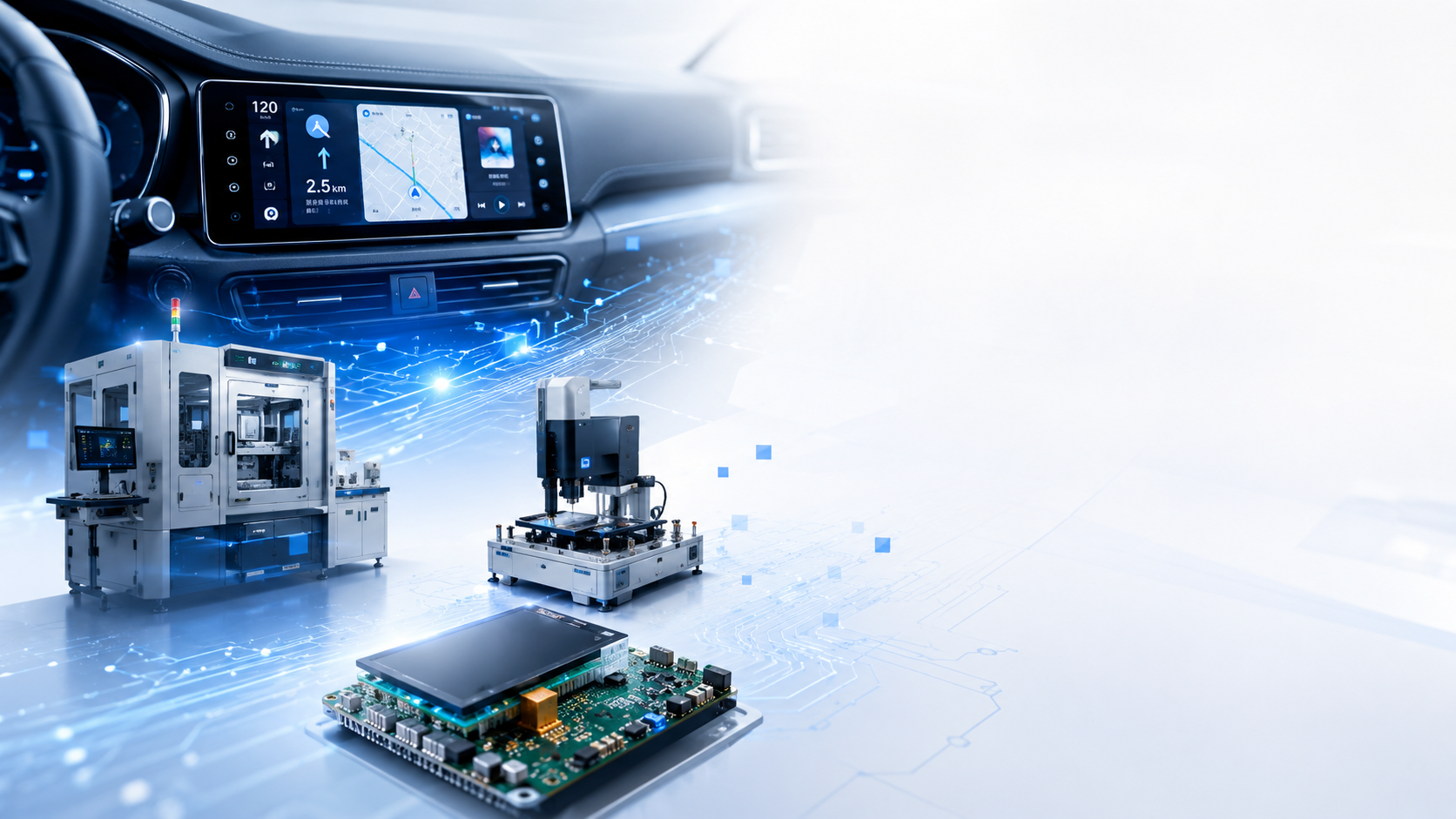
Beyond Screen Size: Why Reliability Matters More Than Ever in Automotive Displays
Step into any modern automotive trade show, and one trend becomes immediately clear: large-format digital displays are now at the center of cockpit design. Dashboard touchscreens have evolved from simple navigation interfaces into expansive, pillar-to-pillar digital experiences that redefine the look and feel of modern vehicles.
The industry narrative is compelling. Vehicles are becoming increasingly connected, intelligent, and software-driven. Large infotainment displays and digital instrument clusters have become key selling points for both OEMs and consumers.
However, behind the impressive showroom presentations, a more practical concern is emerging for procurement teams, distributors, and aftermarket suppliers.
As the initial excitement around larger and more sophisticated displays begins to mature, the industry is paying closer attention to a critical question: how well do these systems perform under real-world operating conditions?
Displays that impress consumers in controlled environments must also withstand years of heat, vibration, humidity, and continuous use. Reliability, once considered a background requirement, is quickly becoming a primary purchasing criterion.
The Challenge of Real-World Automotive Environments
The core challenge lies in the fundamental difference between consumer electronics and automotive applications.
Smartphones and tablets typically operate in relatively stable environments. Automotive displays, by contrast, must perform reliably under some of the most demanding conditions encountered by electronic systems.
Consider a vehicle parked under direct summer sunlight. Interior cabin temperatures can exceed 80°C (176°F), creating significant thermal stress for display components. Under prolonged exposure to extreme temperatures, LCD panels may experience blackening, image distortion, reduced response performance, or temporary display failure.
Visibility is another critical concern. Bright sunlight can dramatically reduce screen readability, making technologies such as optical bonding, anti-reflective coatings, and high-brightness displays increasingly important for both safety and user experience.
Temperature is only part of the equation.
Vehicles are constantly exposed to vibration, shock, and road impacts throughout their service life. Potholes, rough roads, and years of continuous operation place considerable stress on internal electronic assemblies. In displays that are not adequately designed for automotive environments, vibration can gradually affect connectors, ribbon cables, solder joints, and PCB assemblies, leading to flickering screens, intermittent failures, or complete system malfunction.
For procurement professionals, these issues extend far beyond technical performance. Field failures can result in warranty claims, increased return rates, service disruptions, and long-term damage to customer confidence.
A Shift in Procurement Priorities
In response to these challenges, purchasing priorities across the automotive supply chain are evolving.
The industry is moving beyond a singular focus on larger screens, thinner bezels, and higher resolutions. Instead, buyers are increasingly evaluating products based on durability, lifecycle performance, and long-term reliability.
Questions that once received limited attention are now becoming central to supplier evaluations:
-
Can the display maintain stable performance under prolonged high-temperature exposure?
-
Does it provide sufficient visibility under direct sunlight?
-
Is the PCB designed to withstand years of vibration and mechanical stress?
-
Can the system start reliably in extreme cold conditions?
-
Is the supply chain capable of supporting long-term production and aftermarket demand?
These considerations are reshaping purchasing decisions across OEM, Tier 1, and aftermarket channels.
Reliability as a Competitive Advantage
As cockpit displays continue to grow in size and functionality, reliability is becoming a key differentiator rather than a basic requirement.
The most successful suppliers in the next phase of the automotive display market will not necessarily be those offering the largest screens or the most eye-catching demonstrations. Instead, they will be the companies that consistently deliver robust thermal performance, dependable electronic architecture, proven durability, and stable supply chain support.
In today's automotive display industry, reliability is no longer just a specification on a datasheet—it has become a competitive advantage.
For procurement teams and automotive buyers, peace of mind may ultimately be the most valuable feature of all.